
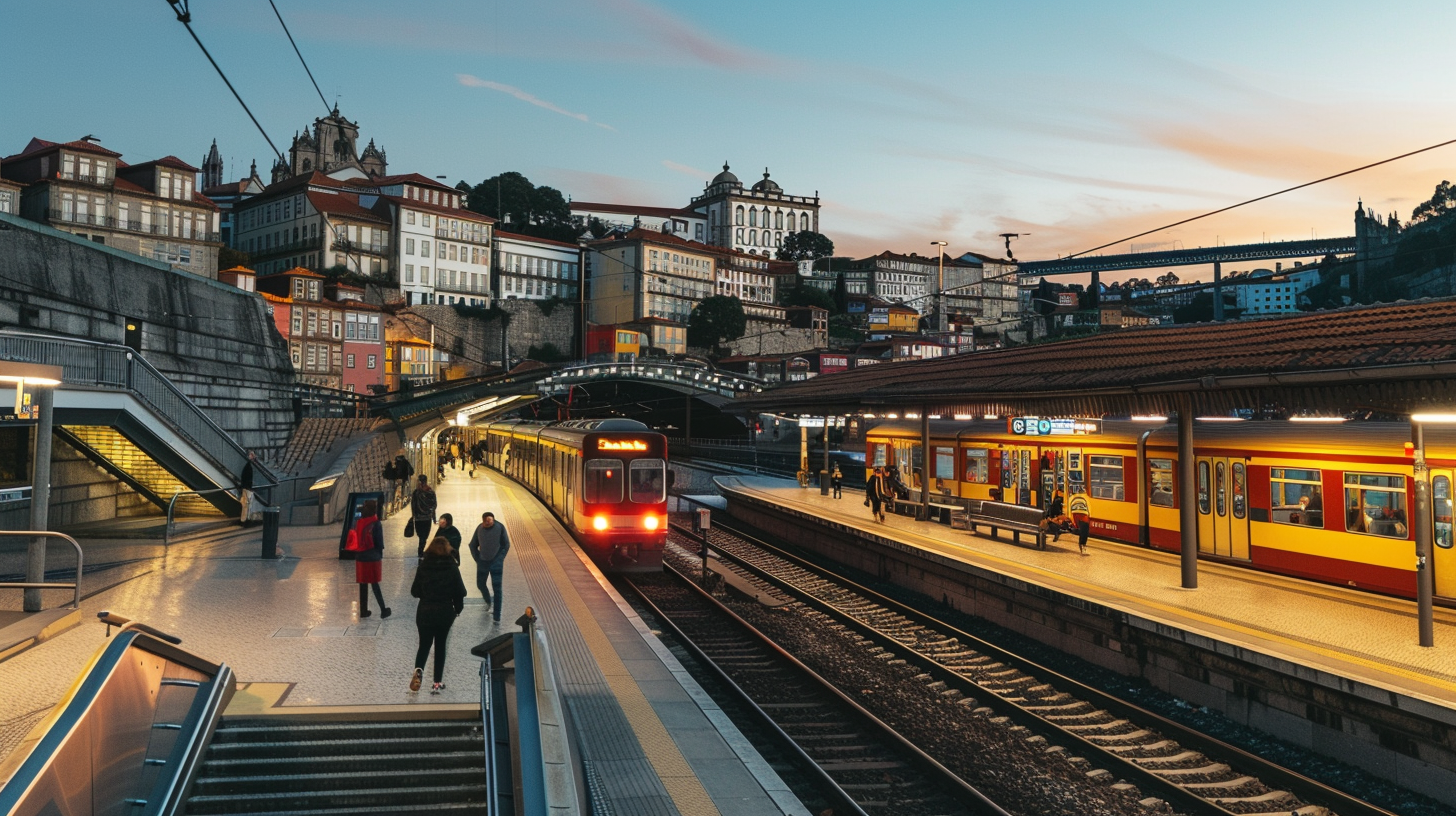
Braga And Guimaraes Day Trip From Porto
Route Planning Guide

Distance From Porto to Braga

Planning a journey northward requires understanding the local transit network. This distance from porto to braga guide helps you navigate the geography of the Minho province. Read on to discover the exact route metrics and optimal travel windows.

10 min read Updated 2026-08-24 Fact-checked
Distance From Porto to Braga

Quick answer

The direct road distance from porto to braga is approximately 55 kilometers (34 miles) along the A3 highway, while the railway line spans roughly 57 kilometers. Driving typically takes 45 to 60 minutes, whereas regional and urban trains depart from São Bento Station and require 40 to 75 minutes. Travel is possible 00:00–23:59 daily, but the best arrival window is 06:00–10:00 to bypass rush hour.

Roman roads constructed over two millennia ago still dictate the modern alignment of transit routes between these two northern hubs. When evaluating the actual distance from porto to braga, travelers are retracing paths laid down by Emperor Augustus to connect ancient Bracara Augusta with the Atlantic coast. Today, this geographical corridor spans approximately 55 kilometers of modern highway infrastructure. The route traverses the rolling green landscape of the Minho region, crossing major watercourses like the Ave River before ascending toward the foothills that define the Cávado River basin. For those embarking on a broader regional exploration, this path often forms the first leg of a comprehensive Braga and Guimarães day trip from Porto, highlighting how closely clustered these historical hubs remain. The geographic proximity allows for seamless transit, yet the minor variations in route design between rail networks and asphalt lanes mean that precise planning is required to avoid commuter congestion. Understanding this spatial layout is key for anyone trying to map out a seamless journey through northern Portugal's historical core. While the physical corridor is relatively short, the choice of route significantly influences travel dynamics. The A3 highway offers the most direct vehicular path, running almost due north from the Douro valley. In contrast, the national rail network, operated by Comboios de Portugal, follows a slightly longer path to accommodate local topography and municipal stops, bringing the total track length to just under 58 kilometers. Trains depart regularly from the historic São Bento Station in downtown Porto, winding through suburbs before reaching the terminal station in Braga. This rail journey exposes passengers to the changing topography of the coastal plain as it transitions into the more rugged interior highlands. Along the way, the route bypasses several significant landmarks, including the medieval architectural relics of the surrounding municipalities, offering a scenic window into the rural life of northern Portugal. By analyzing the physical layout, travelers can better coordinate their arrival to coincide with optimal viewing times at key monuments, such as the sanctuary of Bom Jesus do Monte, without losing hours to peak traffic bottlenecks. Navigating this corridor effectively requires balancing departure times with local commuting patterns. Though the absolute distance from porto to braga remains constant, transit times fluctuate based on daily work schedules and seasonal tourism cycles. The local-language term distância de Porto a Braga often appears on regional transport schedules and highway signage, serving as a reminder of the deeply integrated economic relationship between these two urban centers. Because thousands of residents commute between the two cities daily, the highways and train platforms experience heavy volumes during standard morning and evening rush hours. Choosing to travel outside these peak intervals ensures a more reliable transit experience, allowing visitors to maximize their time exploring the historic centers rather than waiting in transit queues. Whether utilizing public trains or driving a rental vehicle, keeping this spatial and temporal context in mind ensures that the short transit between these two cities remains a straightforward and predictable component of any northern Portuguese itinerary.

“Roman roads constructed over two millennia ago still dictate the modern alignment of transit routes between these two northern hubs.”
Directions

Transportation Routes and Distance From Porto to Braga

Braga is located approximately 55 kilometers northeast of Porto. Travelers can reach the city efficiently via the national rail network or by utilizing the A3 motorway.

Train 60–75 min

Urban train (Linha de Braga) from Porto São Bento station

Car 45–55 min

A3 motorway (Autoestrada do Minho)

Bus 60–80 min

Rede Expressos or FlixBus from Porto Campanhã

The best arrival window is 06:00–10:00, which allows travelers to avoid morning rush hour and peak commuter traffic on trains and highways.

Itinerary

Planning Your Day Trip: A Sample Itinerary Considering the Distance From Porto to Braga

This itinerary suits travelers comfortable with early starts and moderate walking, covering both cities in roughly 10–11 hours including travel time. It prioritizes Braga's religious landmarks in the morning and Guimarães' medieval core in the afternoon.

08:00

Depart Porto for Braga

Board an early train or drive north to reach Braga by 09:00, avoiding peak commuter traffic. Use the journey to review your walking route from the station to Bom Jesus.

09:30

Bom Jesus do Monte

Climb the baroque stairway or take the funicular, then explore the hilltop sanctuary and terrace views. Allow 90 minutes for the ascent, photos, and a brief rest.

11:30

Braga Cathedral and Historic Center

Walk through Braga's compact old town, visiting the cathedral and Arco da Porta Nova. Budget an hour for the interior and a quick coffee near Praça da República.

13:00

Lunch in Braga

Choose a tascas-style restaurant near the cathedral for bacalhau or caldo verde. Keep it to 60 minutes so you reach Guimarães by mid-afternoon.

14:30

Travel Braga to Guimarães

Take the 20-minute train or drive between the two cities. Check the return schedule to Porto before leaving the station.

15:15

Guimarães Castle and Palace

Tour the medieval castle walls and the adjacent Paço dos Duques, both clustered on the hillside. Reserve 90 minutes to cover both monuments without rushing.

17:00

Historic Center of Guimarães

Stroll Largo da Oliveira and the lanes around Igreja de Nossa Senhora da Oliveira. The UNESCO-listed quarter is compact; 45 minutes is enough for photos and a pastry.

18:00

Return to Porto

Board your train or begin the drive back, arriving in Porto by 19:00–19:30 depending on your mode of transport.

Timing

Best Time to Travel: Managing the Distance From Porto to Braga

The best arrival window for your trip is 06:00–10:00. This time frame avoids morning rush hour and peak commuter traffic on trains and highways.

Weekday mornings

Minimal congestion

Trains and roads are quietest before the main commute begins.

Spring (April–May)

Moderate tourist volume

Mild temperatures of 15°C to 20°C

Ideal conditions for walking between historic city centers.

Summer (July–August)

High peak season

Warm weather from 25°C to 30°C

Increased visitor numbers coincide with local religious festivals.

Autumn (October)

Lower tourist density

Cooler temperatures of 15°C to 20°C

Fewer crowds allow for easier movement between sites.

Verdict: For the most efficient transit, travel Tuesday to Thursday between 06:00 and 10:00 during April or October.

Nearby

Expanding Your Route Beyond the Distance From Porto to Braga: Viana do Castelo

Extending your journey from Braga toward the northern coast allows for a logical connection to Viana do Castelo. This region complements the historical focus of Braga and Guimarães with maritime landscapes and traditional architecture.

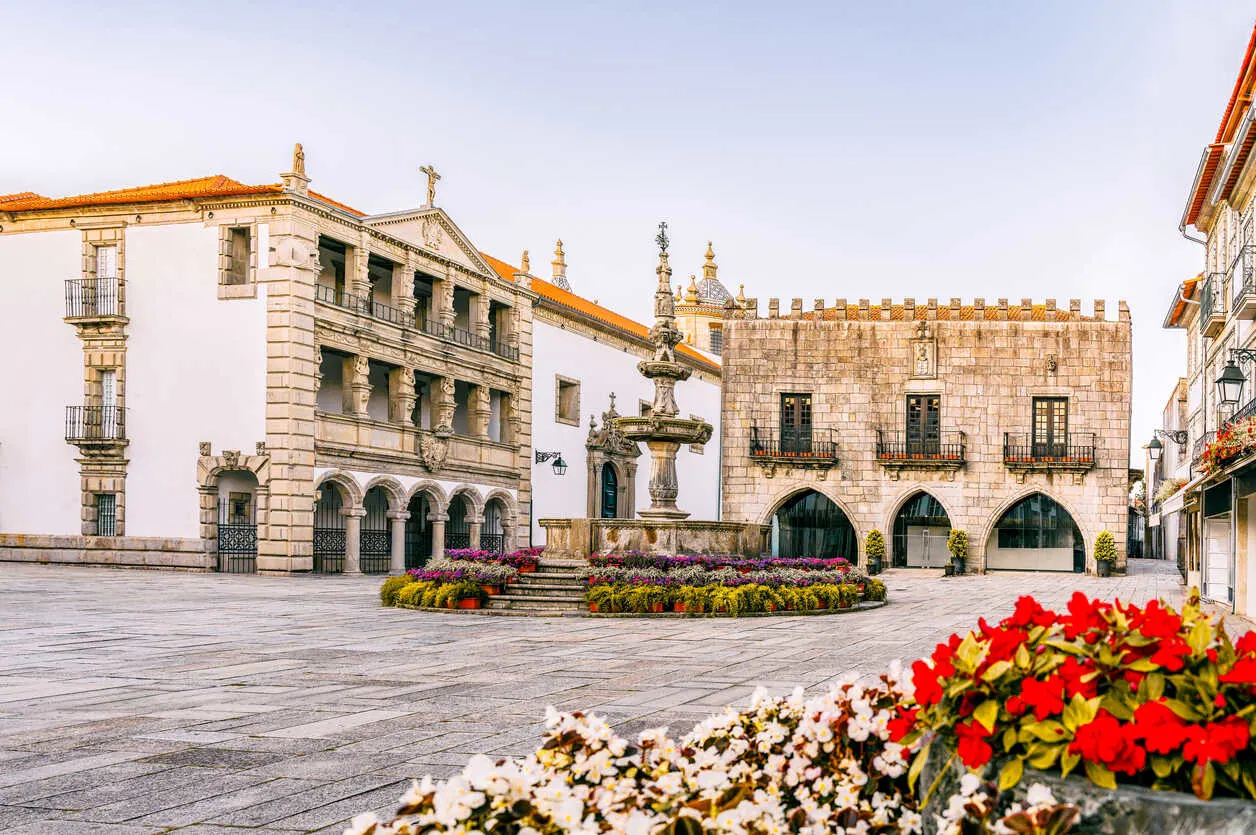
Viana do Castelo City Center

Viana do Castelo City Center

45 min drive from Braga

This coastal city serves as a distinct northern anchor, offering a change in atmosphere from the inland hills of Braga and Guimarães. It provides a historical port environment that rounds out a regional circuit of the Minho province.
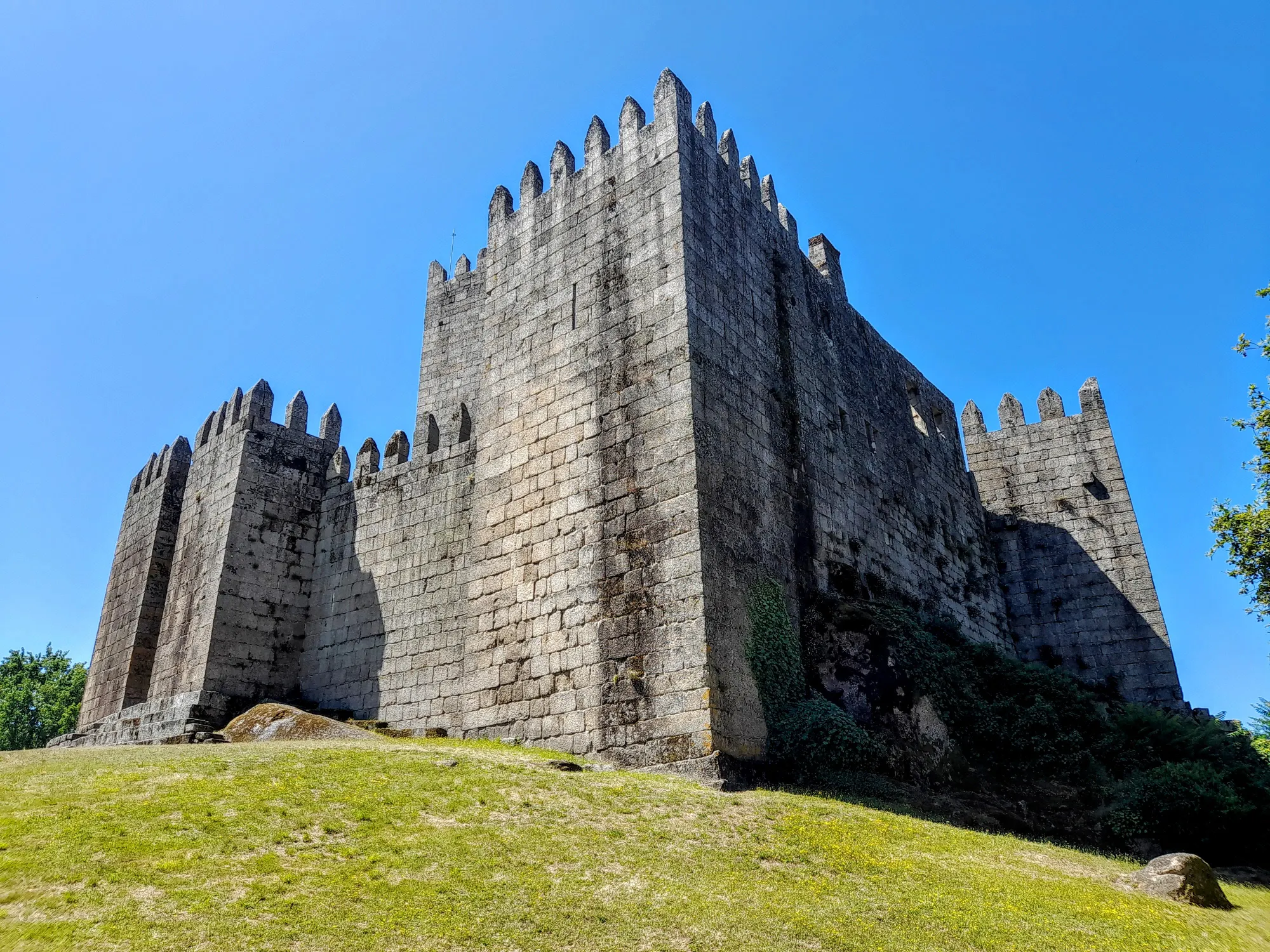
Guimarães Castle

Guimarães Castle

25 min drive from Braga

As the birthplace of Portugal, this site is situated along the return path toward Porto, making it a cohesive addition to the Braga route. The medieval fortification provides historical context that aligns with the religious heritage found in nearby Braga.

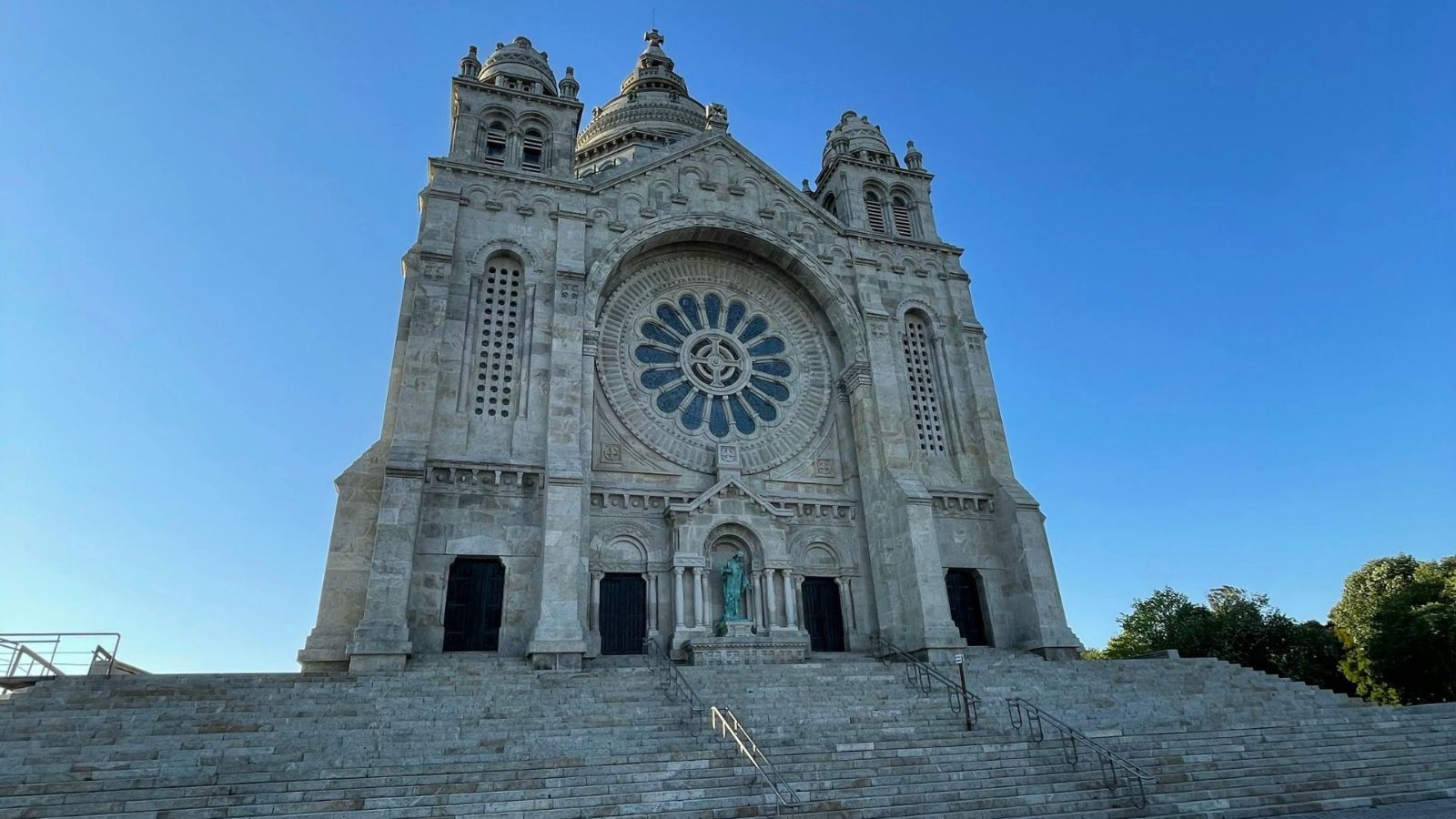
Santuário de Santa Luzia

Santuário de Santa Luzia

50 min drive from Braga

Located in Viana do Castelo, this sanctuary offers elevated views of the Lima River and the Atlantic Ocean. Its position on the coast provides a clear contrast to the valley and mountain vistas encountered when traveling between Porto, Braga, and Guimarães.

Prices

Costs and Fees Related to the Distance From Porto to Braga

The journey between Porto and Braga is a transit route between cities rather than a ticketed venue. Consequently, there are no official entrance fees associated with traveling this distance.

Public Transit Route No entrance fee applies to this route.
0 EUR
Private Transit No entrance fee applies to this route.
0 EUR
Travel between Porto and Braga is free of entrance fees for all individuals at all times.

Verdict: Travelers pay 0 EUR to transit between these cities, as this route does not require any admission or entry fees.

Book

Check availability

Frequently asked

Frequently asked questions about distance from porto to braga

Everything you need to know about distance from porto to braga

What is the exact distance from porto to braga?

The distance from porto to braga is approximately 54 kilometers. This short journey makes it an accessible destination for travelers based in northern Portugal.

How long does it take to travel the distance from porto to braga?

Travel times vary by mode of transport, though trains generally take about one hour. Driving the distance from porto to braga typically takes around 45 minutes, depending on local road conditions.

Is it better to take the train or drive the distance from porto to braga?

The train is often recommended as an inexpensive, stress-free option for those focusing on city-center sights. Driving offers more flexibility if you plan to visit sites like the Bom Jesus sanctuary, though you must account for tolls and parking.

Can I visit Viana do Castelo, Braga, and Guimarães in one day?

While all three are beautiful, attempting to visit Viana do Castelo, Braga, and Guimarães in a single day is often considered rushed. Most visitors prefer to dedicate separate days to these historic locations to fully enjoy the architecture and local atmosphere.

What is the best time to start my trip to avoid heavy traffic?

To ensure a smooth trip, the best arrival window is between 06:00 and 10:00. This helps you avoid the morning rush hour and peak commuter traffic on trains and highways.

Are there entrance fees for transit routes between these cities?

There are no entrance fees for the transit routes between these cities, as they are public transport corridors. You only need to budget for your specific train or bus fare.

Is the distance from porto to braga suitable for a day trip?

Yes, the manageable distance from porto to braga makes it one of the most popular day trips. You can easily reach the historic center and explore baroque landmarks without feeling drained by long travel times.

Keep reading

More guides & pages